I underused my own SaaS app, until now
I think I committed the biggest sin a founder can commit. I built a SaaS I'm genuinely proud of, and I wasn't using it. I can only blame myself for that. But before you judge, I had a decent reason for how this happened.
How the dashboard took over
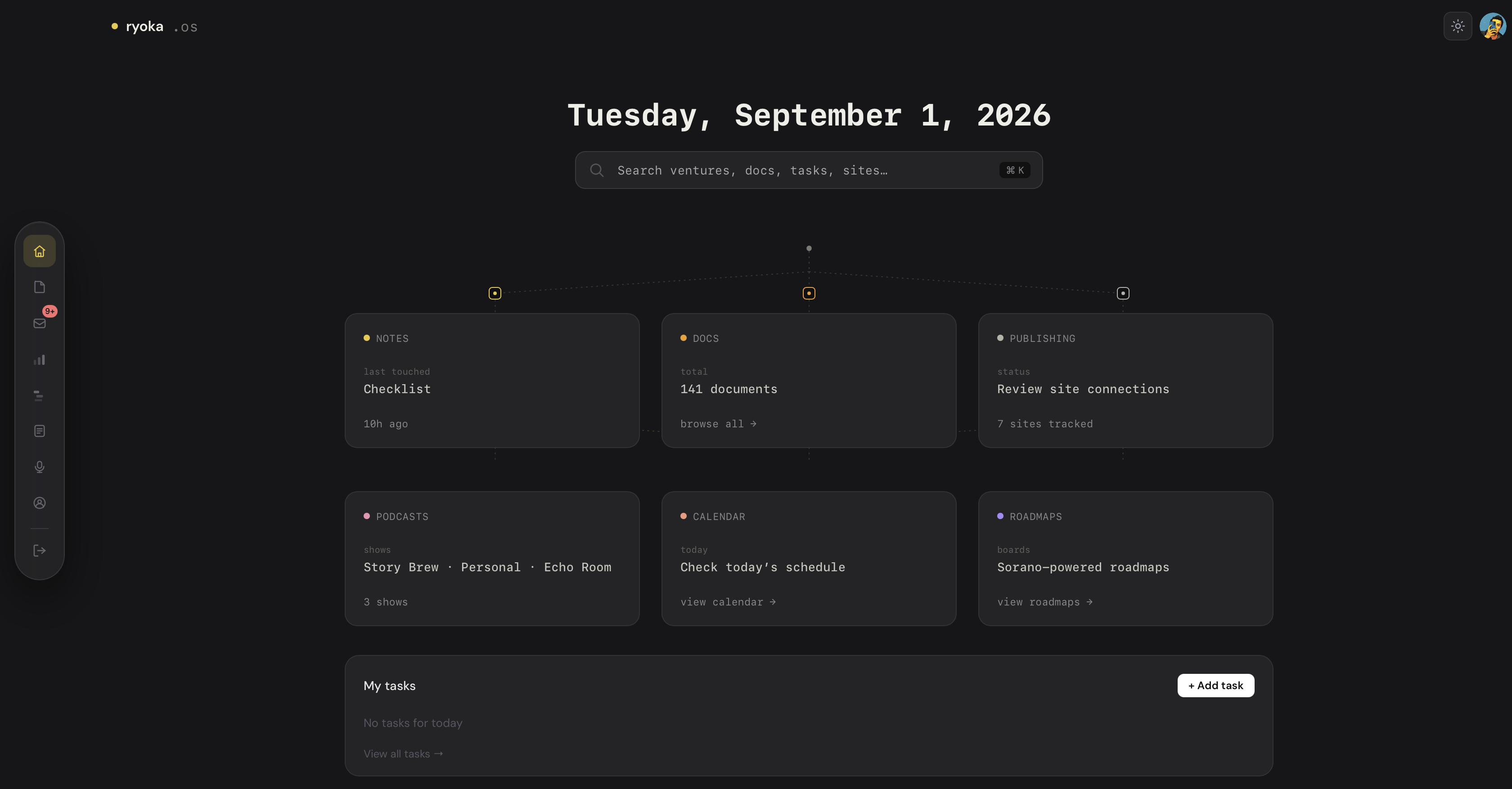
A while ago, I built a custom dashboard for basically everything I do: publishing, distribution, tracking. I spend something like half of my working day inside that dashboard. I built it to make my own life easier, and it really does.
The problem is that I took a lot of what I'd built for my SaaS and folded it into the dashboard, because it was the best editor I had at the time, and it made writing and publishing so much smoother.
The question that made me realize
Then this morning I woke up and had a realization that stung. So I did what any reasonable vibe coder would do: I took the problem to Gemini and ChatGPT. They both said close to the same thing:
"Which is closer to what two.so was built to be?
An editor engine other products, including yours, could sit on top of?
Or a standalone docs product for a different kind of writing than blog posts?"
What my SaaS is
That's when it clicked. My flagship SaaS isn't an editor engine sitting underneath other tools.
It's a standalone docs product, and it goes deeper than blog posts. My dashboard is optimized for a specific job: write a draft, edit it, hit publish, then track what happens to it.
First blog drafts, knowledge bases, and other documentation should live somewhere else entirely. Partly for backups, and partly because writing is writing, no matter what dashboard eventually inherits it.
There's also a simpler problem underneath all of this. If I don't use my own product, how the fuck am I supposed to find out what's broken or missing?
I need to make my flagship SaaS bulletproof and battle-test it properly. I'm a blogger and content creator who'd rather write on an iPad than anywhere else, so this has to happen before I even think about building the iPad version.
Because honestly, I don't fully know what I'm doing in the Mac app build in Xcode right now either.
The routine has to change
This shifts my routine. I'd gotten so deep into my dashboard that I basically forgot my own creation existed, which is a little embarrassing given that I'd just written publicly about opening BETA invites and lining up outreach for it, all without using the product myself.
Here's what changes now:
I'll write my blog drafts inside my app first. That's where they get saved and backed up. Then I'll copy them into my dashboard and continue the rest of my workflow from there: Pinterest pins, ORM tracking, the calendar, routing content across sites.
My dashboard isn't a competitor to my own build. It's my ops layer. My SaaS customers don't need any of that; they need a good docs editor.
So the honest way to put it isn't "I built an editor and use a different one." It's that I built a product for a job I don't personally have, because my own job already comes with a bigger machine attached to it.
Outside of drafting and storing blog posts, I'm also in the early stages of building out Ryoka and OnPoint, which means I need to start documenting things properly per brand, building real knowledge bases and playbooks for each one. And that's not something my dashboard can hold either.
I woke up this morning and had this fucking realization, and the honest answer is I hadn't thought about it until now. I built the right tool and then quietly worked around it because the workaround was already good enough.
Using TWO Docs properly for my own drafts isn't a favor to the product. It's the only way I'll know if it holds up.
Get new posts before anyone else
No noise, no automation sequences. Just what I'm writing, thinking about, and building, sent when there's something worth sending.
An email once in a while. Unsubscribe anytime.
Written by
Pieter Borremans
Writer·Content creator·Founder
Based in Taichung, Taiwan and London, UK, this is Pieter's personal journal and builder's blog: field notes on entrepreneurship, solo business-building, and the unfiltered reality of creating online. Alongside it, he's chasing one absurd goal in public, $168M USD in lifetime earnings, tracked live from zero.