
I mapped out my podcast workflow. Turns out it's not that complicated
I needed a break from fixing my flagship SaaS, so midweek I sat down and built a simple mind map and cheat sheet for how I should handle five podcast channels.
Sounds excessive written out like that, but once I took it apart and put it back together, it turned out to be a lot simpler than it felt in my head. Apparently keeping five shows running without losing my mind required a diagram.
The trigger
I'd been sitting on this for a few weeks. Then, because I apparently can't leave well enough alone, I added a fifth channel, Story Valley, which went officially live this week. Call me fucking nuts. I already have.
Holding five podcasts in your head at once isn't a small task, so I went back to the habit that always works for me when things get tangled: mind mapping. Same trick I use for messier problems. Did the job here too.
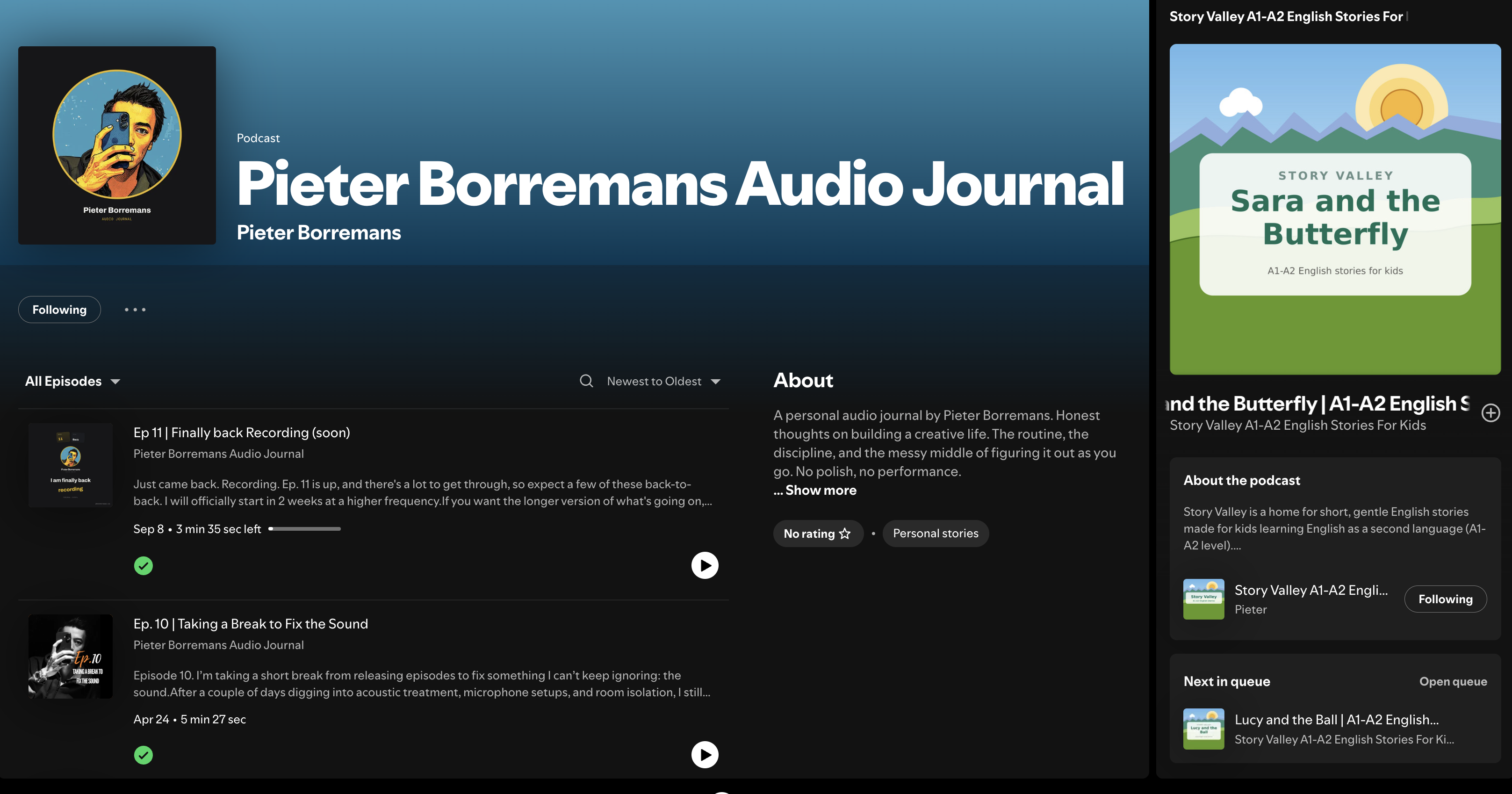
This week alone I recorded 12 episodes for Story Valley, plus one for my personal audio journal and one for Story Brew, the last of which was not smooth sailing at all. But glad I did, because it seems even one episode published after a few months' gap is strong. Even acquired a new follower.
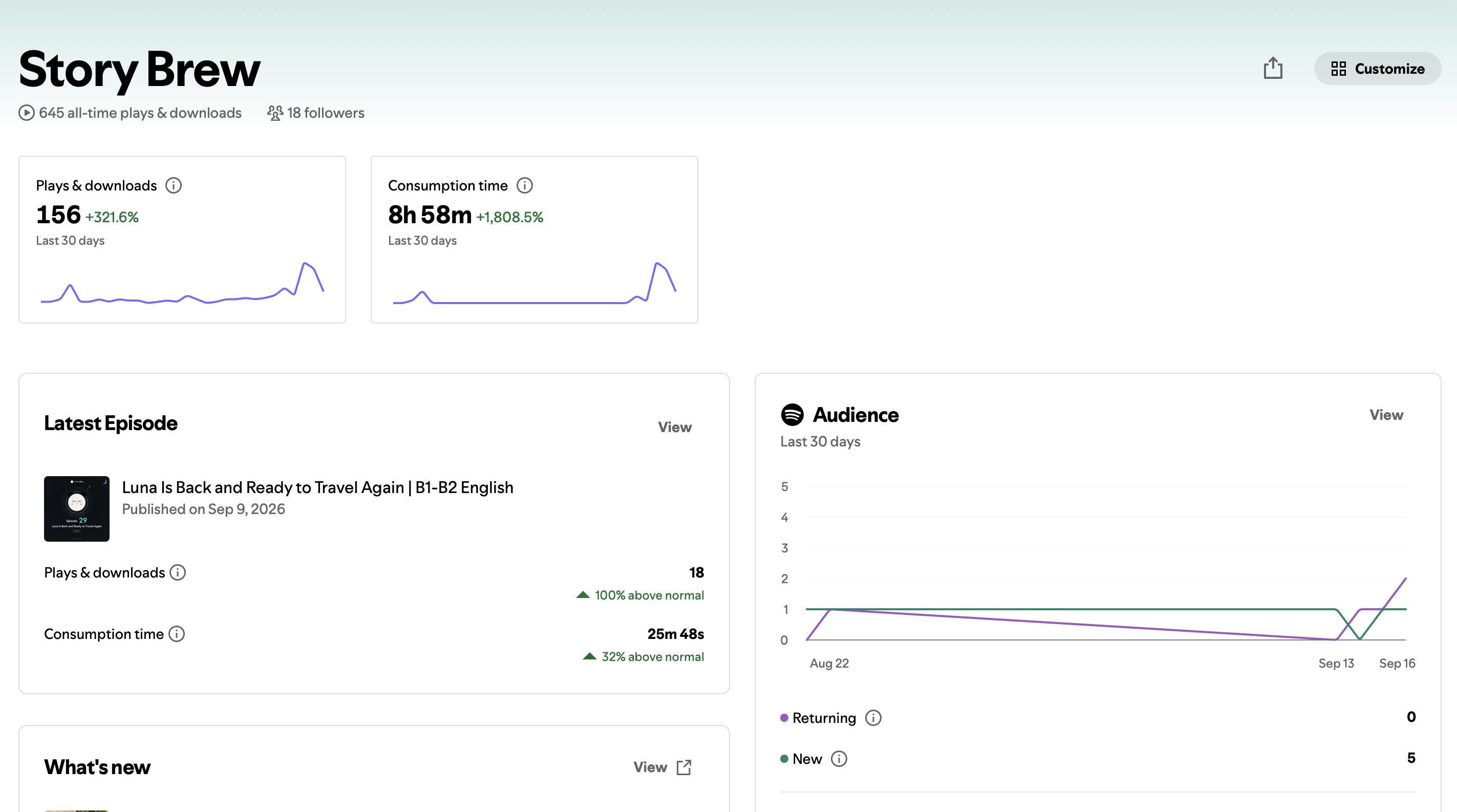
The biggest hurdle wasn't the recording itself. It was that my brain isn't wired into the process the way it's wired into my dashboard.
I started recording back in March, then got pulled into building other things, and by the time I picked it back up, I'd basically forgotten how the whole damn thing worked.
The hard part
Recording was never the hard part. The hard part is everything after: the organization, the thumbnails, having clean descriptions ready before I forget what the episode was even about.
My stack for all five channels is deliberately simple.
Apple Notes for the loose stuff, my own dashboard for tracking scripts, stories, and read-aloud drafts, GarageBand for recording, iMovie for the YouTube conversion, and Claude for the writing and asset work.
Five channels, five tools.
How the mind map breaks down
The flow runs in four phases: recording, content assets, publishing, and after.
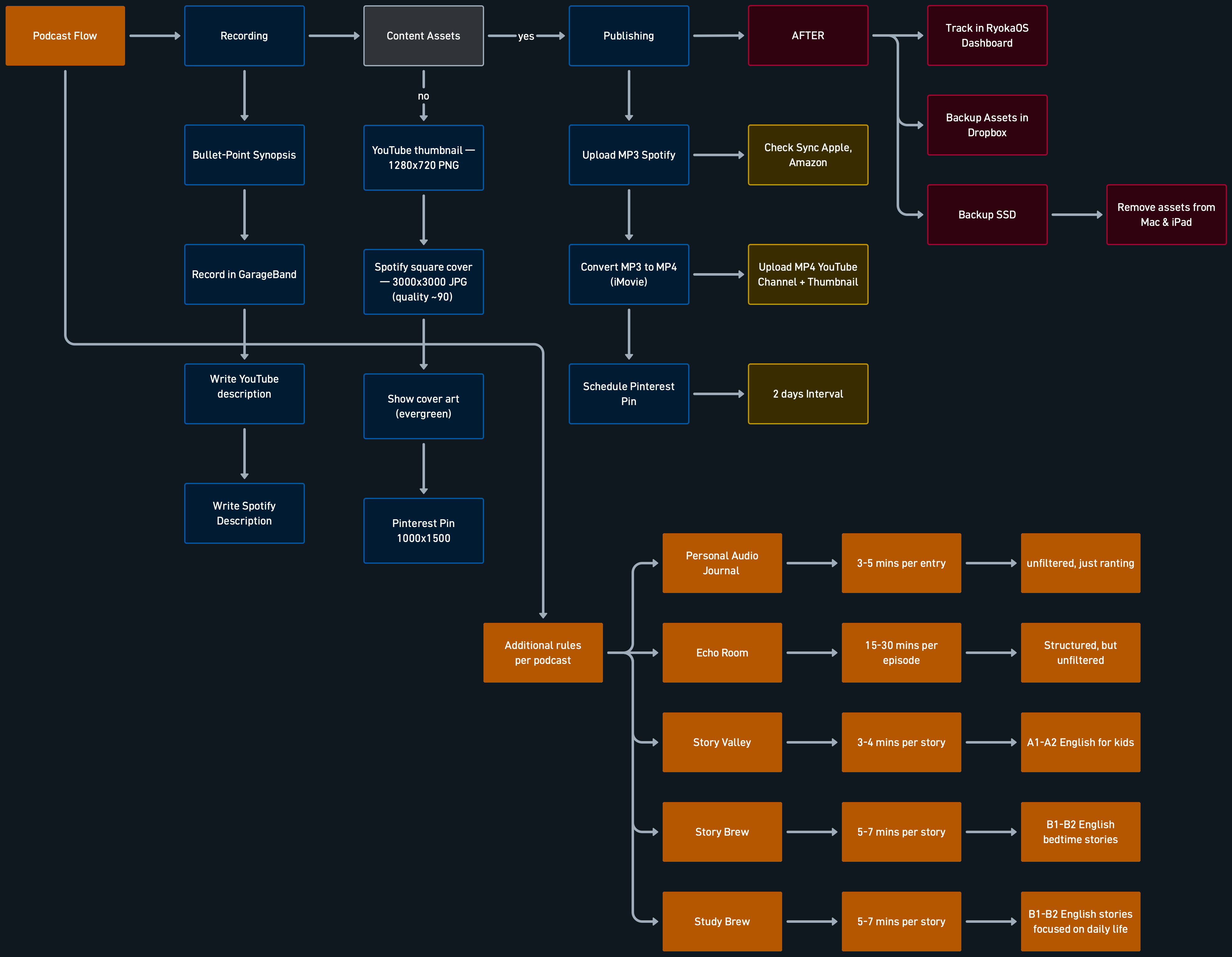
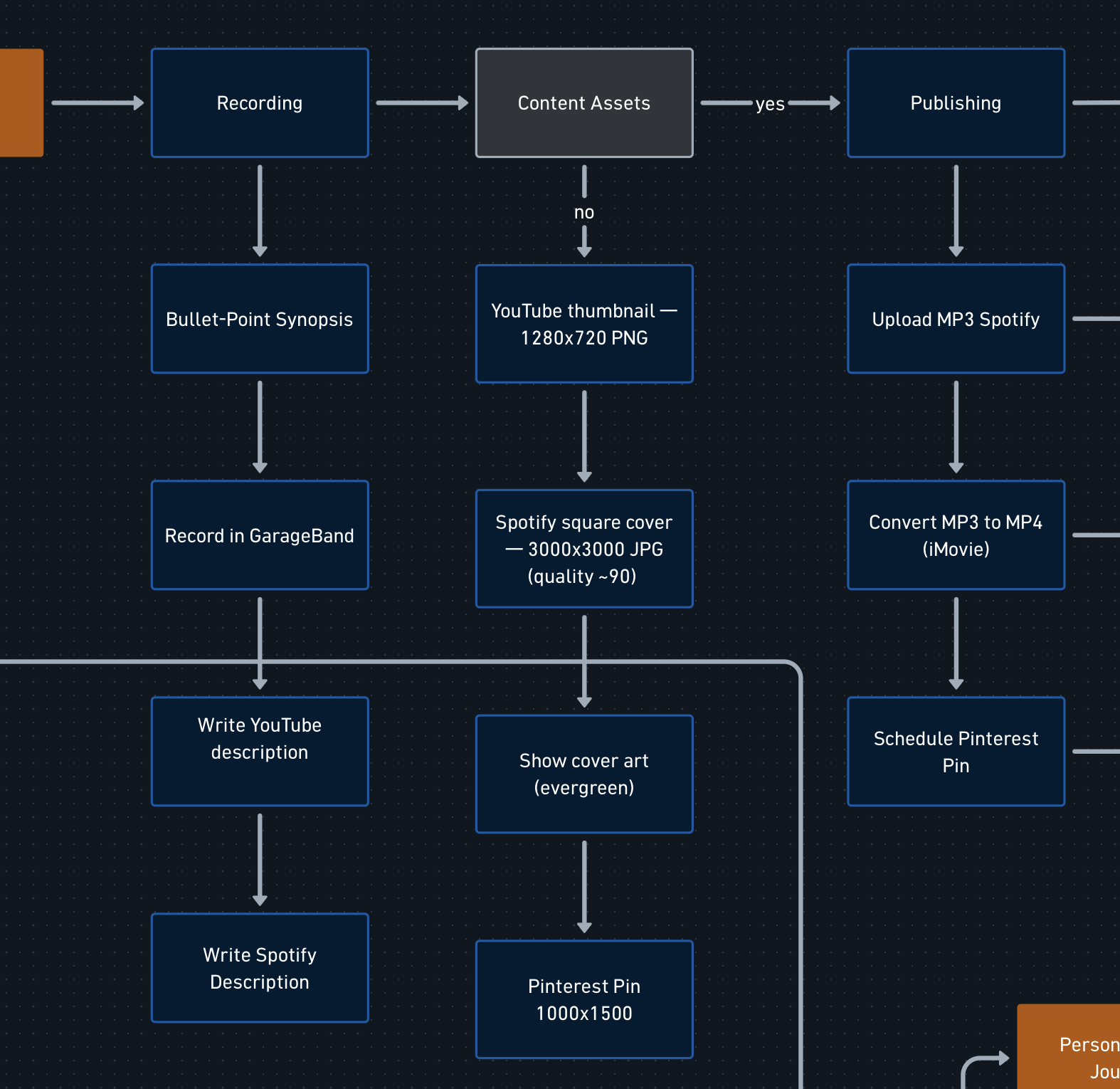
Recording starts with a bullet-point synopsis, then GarageBand, then a YouTube description and a Spotify description written straight after.
Content assets is where the visuals happen, a YouTube thumbnail at 1280×720, a Spotify square cover at 3000×3000 around 90 quality, and a Pinterest pin at 1000×1500, all built off the same evergreen cover art so nothing gets reinvented episode to episode.
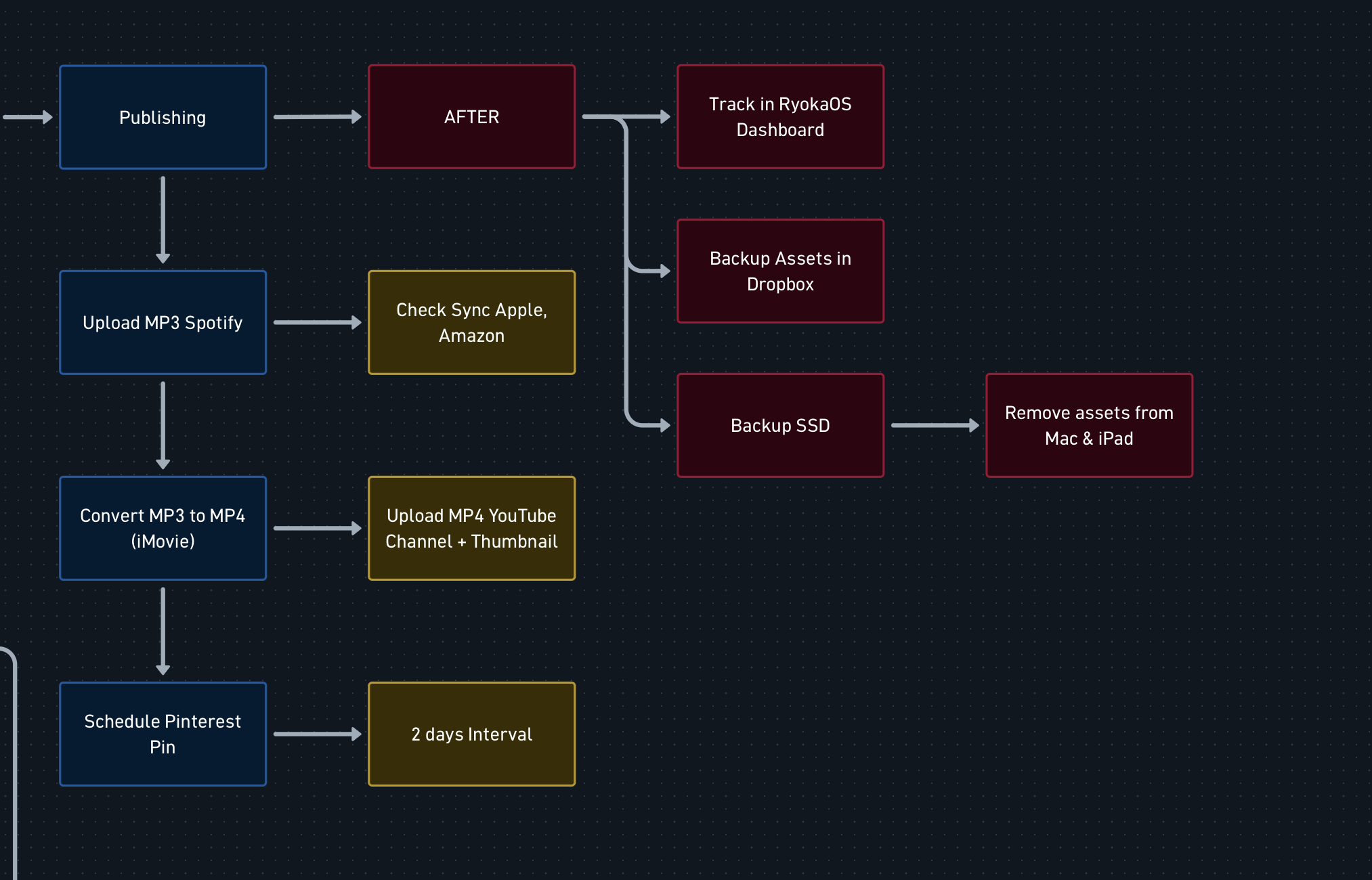
Publishing means uploading the MP3 to Spotify first, since Spotify pushes to Apple Podcasts and Amazon on its own once it's live.
Then I convert that MP3 to MP4 in iMovie for YouTube, upload it with the thumbnail, and schedule the Pinterest pin on a two-day interval so it doesn't all dump out at once.
After that, everything gets tracked in my Ryoka OS dashboard, backed up to Dropbox, backed up again to an SSD, and only then removed from my Mac and iPad. Three copies before anything gets deleted.
Five channels, five different rules
Each podcast plays by its own rules, which is honestly why it felt so tangled before I mapped it out.
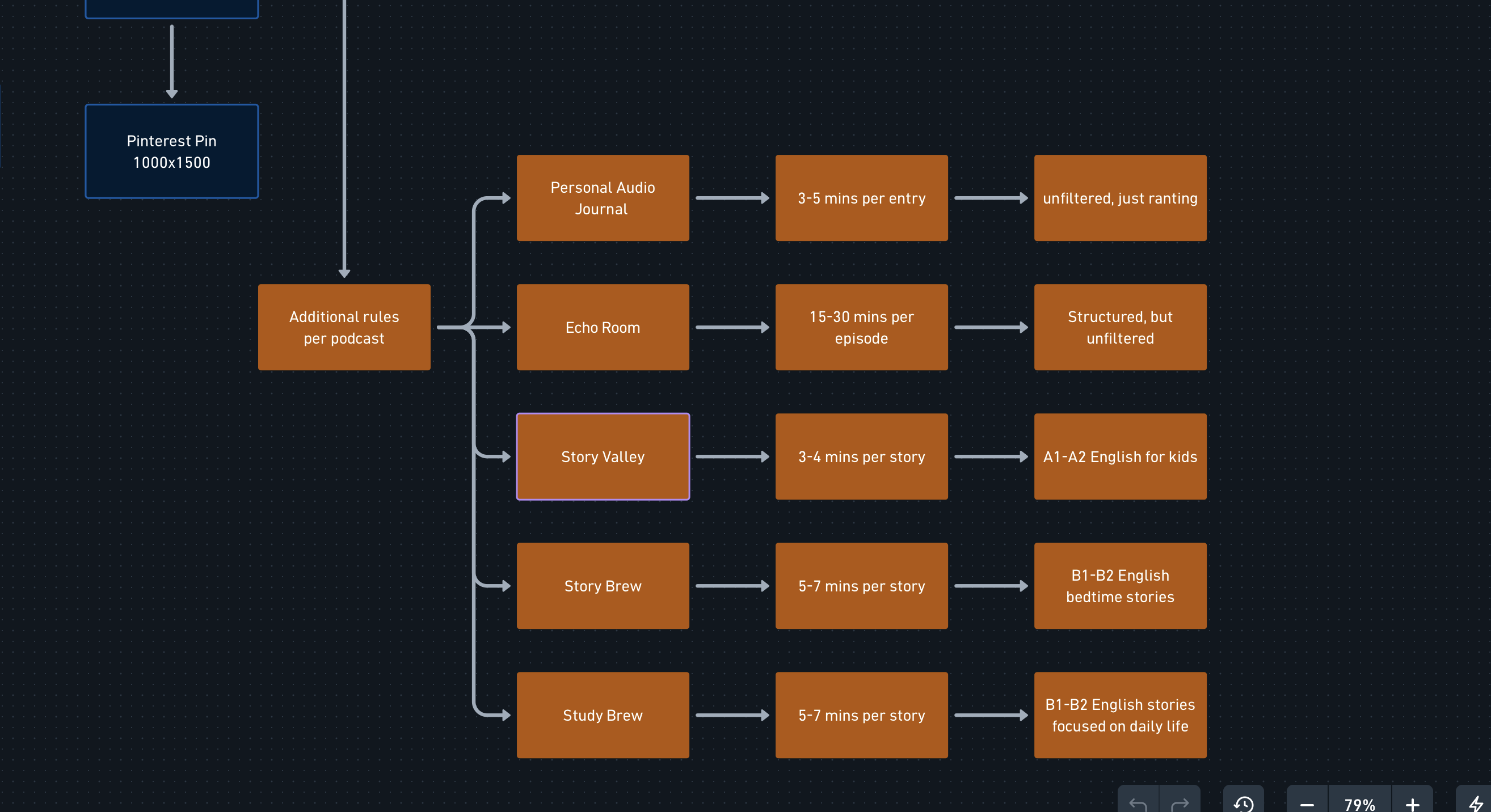
My personal audio journal has no script. It's three to five minutes of unfiltered ranting.
Echo Room is a bit more structured, fifteen to thirty minutes with some bullet points in front of me, but still unfiltered in the sense that I'm not performing a script, just working from a shape.
Story Valley, Story Brew, and Study Brew are where the real process lives, because those run on prompts. I don't write those stories myself. Claude does.
But I feed it the character, the arc I've built for that character, the plot, and the outcome I want.
Story Valley is A1-A2, since that one's for kids. Story Brew and Study Brew are B1-B2, for adults. Once the story comes back, I edit it, drop it into my dashboard, put it into reader mode, and record.
Where AI fits in
I don't have a problem admitting Claude writes the first draft of those stories.
Claude holds onto the concepts across sessions, which means it'll flag if we're about to repeat a character beat or reuse a plot we've already used somewhere else.
I've yelled at it plenty for being dumb on other days, but on this specific job, understanding my characters and catching the ideas I've recycled without noticing, it's genuinely useful.
Read also: Claude got so dumb, so I stopped relying on it alone
It builds the Spotify description, the YouTube description, and the image asset the moment a script is done, all needing some editing from me, but the heavy lifting is already there.
The reason none of shit that bothers me is that the final edit is mine, and the voice reading it out loud is mine. That's the part that can't be automated, and can't be copied.
Nobody's listening to Story Brew because a language model strung a sentence together. They're listening because a real person recorded it. At least that's the feedback I got from people.
The publishing lag I need (or want)
My priority is always Spotify first, YouTube second, mostly because converting to MP4 and uploading to YouTube is just slower than uploading to Spotify. I batch it instead.
What I hadn't accounted for was the lag that creates. I uploaded and scheduled 12 Story Valley episodes on Spotify this week, but those same 12 episodes won't hit YouTube for probably another month, once I've batched the MP4 conversions.
I hadn't built that gap into my publishing calendar until this week made it obvious. This was a real flaw and it could become a bottleneck once everything starts to pile up.
Where it all goes & audience
What I didn't fully register until I mapped this out is that every one of these channels feeds somewhere specific.
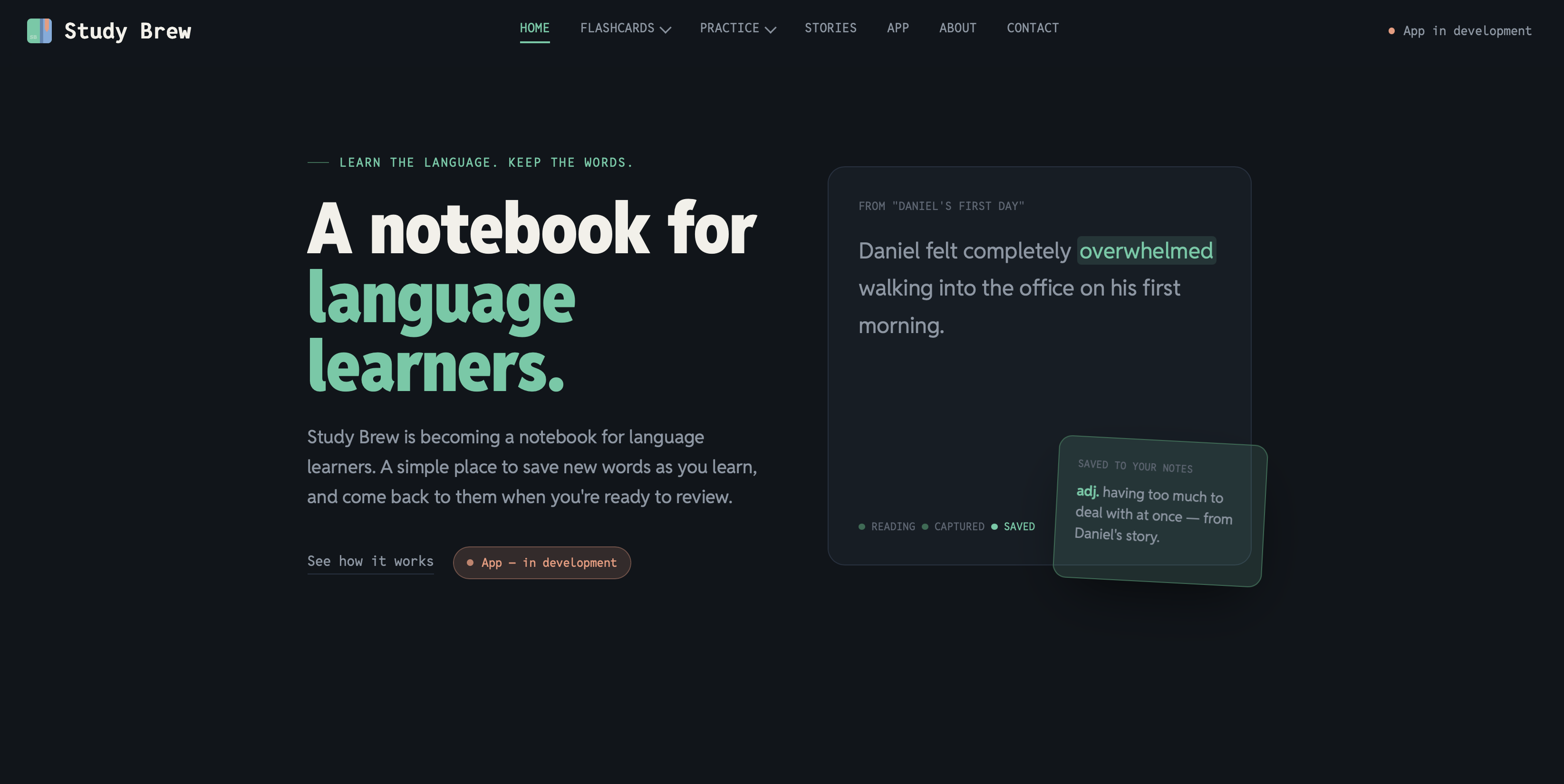
Most of it funnels back to Study Brew or to this blog. None of it is one-off content. It's evergreen, which means it's part of the three-year roadmap I'm building toward, not just stupid noise I'm putting out to stay busy, or pretend to be busy.
Read also: My game plan for Study Brew: I almost blew it
I was unsure until recently whether I could hold five different podcast identities in my head without the context switching wearing me down.
Turns out there's nothing tiring about it. Study Brew, Story Brew, and Story Valley are all slow, simple English.
Echo Room is a guided unfiltered monologue.
My personal journal is just me ranting into a mic. They don't compete for the same headspace.
This cheat sheet was never really about the podcasts. It was about training my brain to stop treating the process like a chore, when I never found it to be one.
I just like recording. I needed the rest of it mapped out so it stopped feeling like the hard part.
Get new posts before anyone else
No noise, no automation sequences. Just what I'm writing, thinking about, and building, sent when there's something worth sending.
An email once in a while. Unsubscribe anytime.

Written by
Pieter Borremans
Writer·Content creator·Founder
Based in Taichung, Taiwan and London, UK, this is Pieter's personal journal and builder's blog: field notes on entrepreneurship, solo business-building, and the unfiltered reality of creating online. Alongside it, he's chasing one absurd goal in public, $168M USD in lifetime earnings, tracked live from zero.