
Rebranding Story Brew for Further Scalability
A while back, I started Story Brew. Simple concept: I record bedtime stories for English learners at the B1–B2 level and put them on Spotify and YouTube. No AI voices. Just me, a mic, and a quiet room.
Around the same time, I was trying to vibe-code a note-taking app for language learners. That failed three times. So I put the whole idea in the freezer and moved on.
Then I built TWO Docs.
Something clicked after that. Building a real product with Claude AI changed how I think about what I can actually ship. The note-taking app idea came back out of the freezer. And this time it felt doable.
The Original Plan
The strategy was straightforward enough:
Record bedtime stories to slowly build an audience. Give it one to three years. Then launch a niche note-taking app for language learners once there is enough traction to care. Content is at the top of the funnel, app as the product.
Clean in theory. Messier in practice.
The Branding Problem
Story Brew has its own little presence now. A few hundred listens on Spotify, some early traction on YouTube.
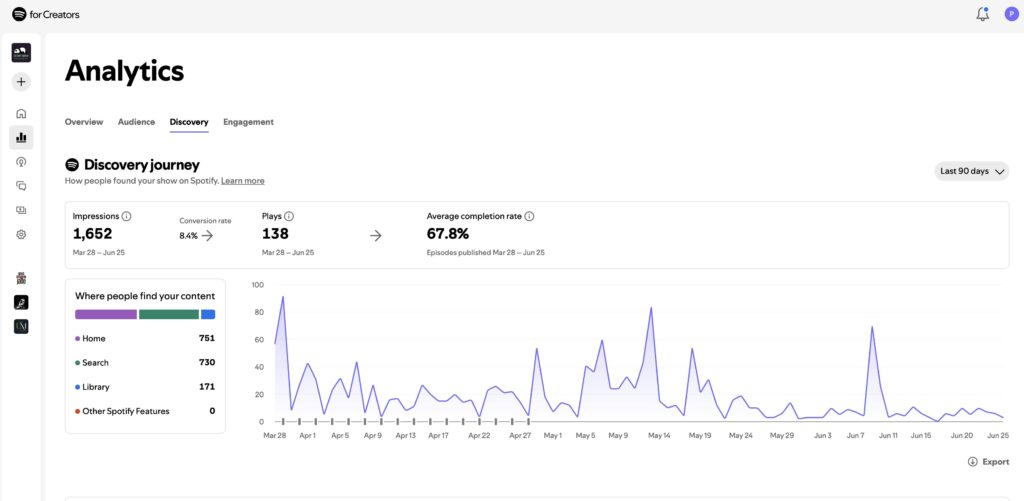
Small, but real. And that created a problem I didn't anticipate: I'd built something with its own identity that didn't connect back to the product I wanted to build.
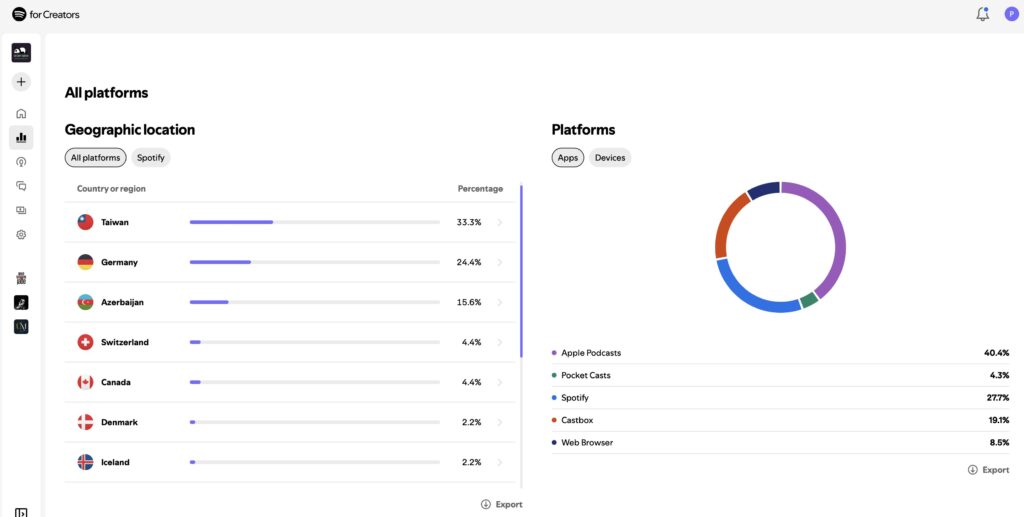
If I keep Story Brew separate, I'm running two things that point in the same direction but never land in the same place. Every piece of content becomes a dead end. It finds an audience, then loses them before they ever reach the app.
That's not a content strategy. That's just noise.
Story Brew vs. Study Brew
I've had the domain studybrew.co sitting around for a while. Originally, it was going to be a separate platform: broader content for English learners. I never built it out. But now it makes sense as the hub for everything.
Study Brew becomes the brand. One platform. Stories, learning content, and eventually the note-taking app all live under the same roof.
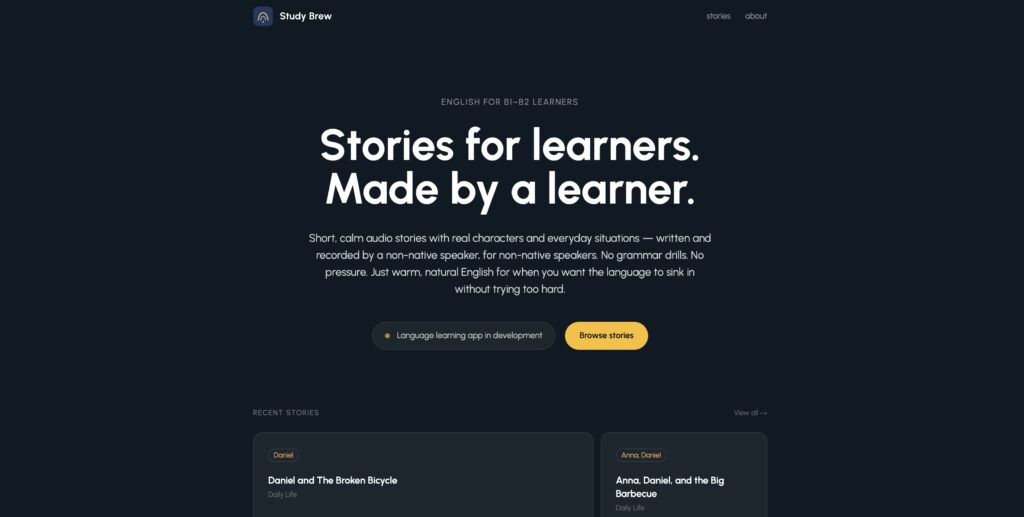
The question was what to do with the existing Story Brew channel. I went back and forth on this more than I probably should have. Ultimately, I'm keeping them.
The YouTube channel at @storybrewcontent and the Spotify show stay live. They keep finding the audience they were built for. But the redirect is clear: everything points to Study Brew.
The bedtime stories become the top of the funnel for the larger brand, not a standalone thing floating by itself.
On top of that, I'm building a second YouTube channel and Spotify channel under the Study Brew name. Wider content, simpler stories about life, travel, and everyday situations.
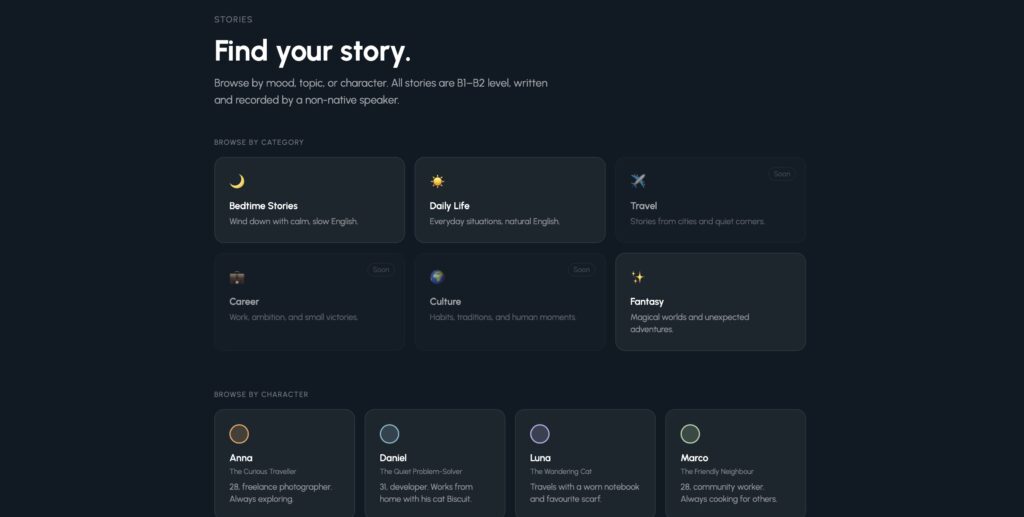
Still graded for English learners, but less niche than pure bedtime stories. Two channels, two content angles, one destination.
It also reduces risk. If one channel hits a wall or we face algorithm changes, platform issues, whatever, the other keeps running. That matters more than it sounds when you're doing this solo.
Study Brew as the Hub
This is the part that actually excites me.
Study Brew isn't just a rebrand. It's part of the architecture. The content channels feed it. The note-taking app lives inside it. The stories aren't just free content. They're the product introduction.
Someone finds a bedtime story, likes it, follows the brand, and eventually lands on an app built specifically for the way they're learning.
That's a real funnel. Not a perfect one, but a real one.
I'm building the Study Brew website now, stories-first. The note-taking app will pull from the same core stack I used for TWO Docs, so I'm not starting from zero.
I want at least 25 new stories recorded before the new channels go live. Enough content to feel like something is there.
What's Next
The redirects are already done. Story Brew's old site now points to Study Brew. The new website is in progress. After that: the app, the new channels, and 25 stories in the queue.
It's a lot moving at once. But it's all pointing at the same thing now, which is more than I could say a few months ago.
Get new posts before anyone else
No noise, no automation sequences. Just what I'm writing, thinking about, and building, sent when there's something worth sending.
An email once in a while. Unsubscribe anytime.

Written by
Pieter Borremans
Writer·Content creator·Founder
Based in Taichung, Taiwan and London, UK, this is Pieter's personal journal and builder's blog: field notes on entrepreneurship, solo business-building, and the unfiltered reality of creating online. Alongside it, he's chasing one absurd goal in public, $168M USD in lifetime earnings, tracked live from zero.