
I never thought this day would come. I’ve been an avid WordPress user for two decades. I can spin up a WP site in a few minutes with my eyes closed, half asleep, on autopilot.
I’ve been living in cPanel and random Themeforest themes for most of that time, until I switched over to the popular 2025 block theme this blog is running on right now.
Why I switched all of a sudden
The switch wasn’t as sudden as it looked from the outside. After going deep with Claude AI, building out my Ryoka OS dashboard to run my whole workflow from one place, and shipping a few real beta products in a completely different tech stack, I hit a wall.
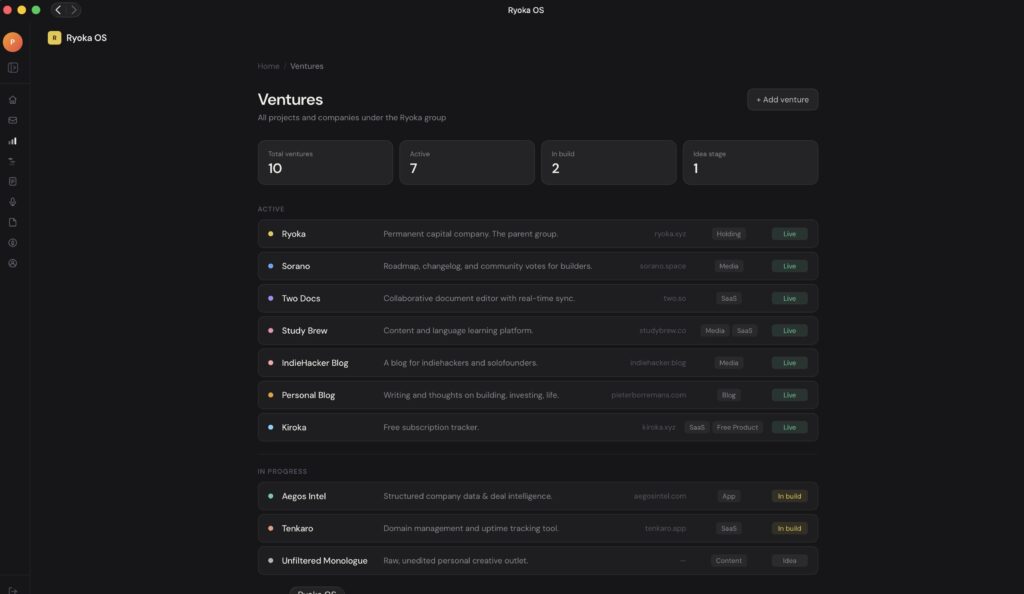
I kept asking myself the same three questions: How do I map out a content marketing strategy without WordPress?
How do I even publish posts without going through GitHub, given how limited my coding knowledge actually is?
And how do I handle multiple blogs, updates, and journals across all my projects without losing my mind logging into five different dashboards?
Centering everything in my own dashboard slowly convinced me to start ditching WordPress altogether. Looking back, the constant plugin updates, the security leaks, the parade of admin logins. It all wore me down eventually.
Since I’d already decided to build a small publishing network under Ryoka, I wanted to go all in. Except for this blog, which was already built, and keeping it in WordPress is a good call.
It’s still the most comfortable place for me to work, and this blog carries more images and more variety of content than any of the other, leaner blogs I’m building.
My biggest fear
Back in the day, people tried to talk me into ditching WordPress for GitHub, Vercel, and TypeScript. I was too stubborn to listen.
Maybe it wasn’t stubbornness; maybe it was fear, because that whole world was completely unknown to me.
That fear hasn’t fully gone away. I’m still pretty green when it comes to understanding this tech stack. But I’ve been building like a maniac lately, and my GitHub repo is starting to look like it belongs to someone who’s been doing this for years.
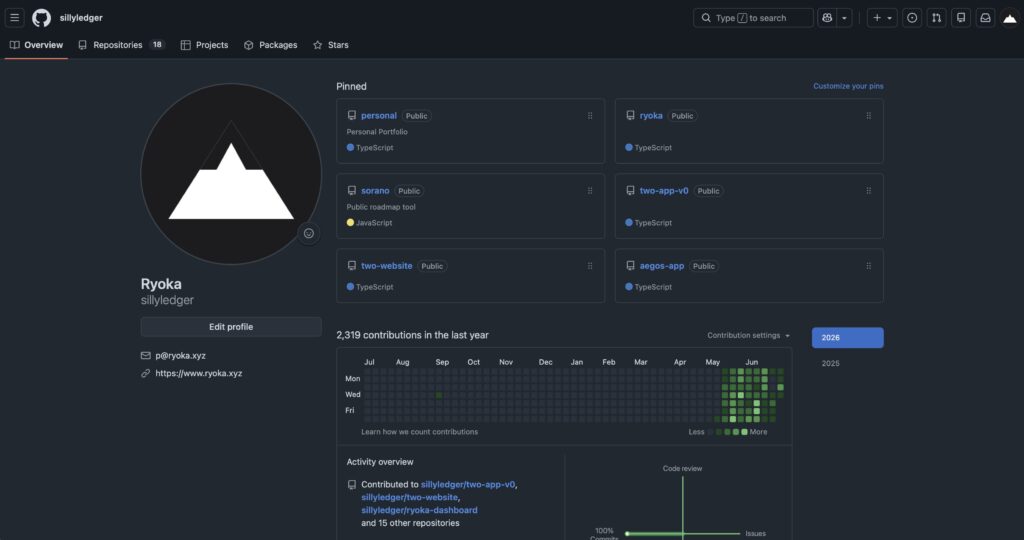
I was afraid before. Armed with Claude AI, I’m not anymore, at least not in the same way. The thing that still scares me is what happens when something breaks.
In WordPress, I can fix 99% of problems blindly, half by muscle memory. In this new stack, I’m nowhere near that comfortable yet.
But if I never try, I never move past it.
WordPress is still king, and that’s fine
I don’t think any of this makes WordPress bad. If anything, the opposite. It’s still the easiest way for a blogger or content creator to get a site up and running without touching a line of code.
You install it, pick a theme, and you’re publishing within the hour. That’s nothing. For most people starting, WordPress is still the right call, and I’d tell anyone asking me that today.
This isn’t really about WordPress losing. It’s about me needing something that fits where I am now, with what I’m building, and how I want to build it.
Change equals progress here
I see this shift as real progress, not a rejection of what came before. WordPress carried me for twenty years, and it still powers most of the web.
But I’m not the same builder I was when I started with it, and the tools I need have changed along with me.
This new stack is slower for me right now, clumsier, more humbling.
But it’s mine in a way WordPress never quite was, because I’m the one putting it together, piece by piece, instead of installing someone else’s plugin and hoping it holds.
That’s the part that excites me. Not that I left WordPress behind, but that I’m finally building the thing myself.